Politics
1d ago
Naseeruddin Shah's 'Najayaz Hukumat' Remark Sparks Debate
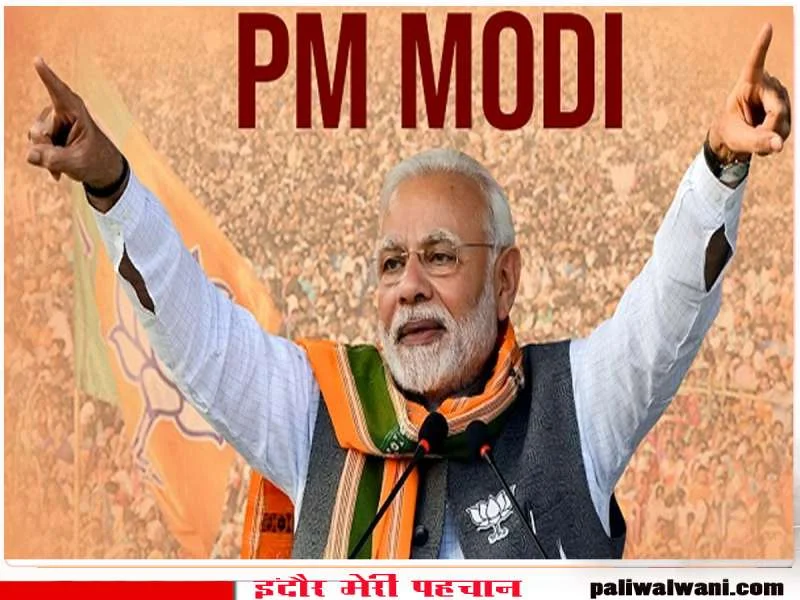
Veteran actor Naseeruddin Shah has stirred controversy with his recent remarks, calling the Modi government a "Najayaz Hukumat" (illegitimate rule). Shah also alleged that the Bengal election results were manipulated and criticized the suppression of student rights at institutions like Jamia Millia Islamia and Jawaharlal Nehru University (JNU). His statements have sparked a heated debate across political and public spheres. Naseeruddin Shah's 'Najayaz Hukumat' Remark Shah's comments, made during a public discussion, have drawn sharp reactions from various quarters. He accused the ruling Bharatiya Janata Party (BJP) of undermining democracy and labeled the Bengal election results as fraudulent. Shah also highlighted issues of student dissent, referencing incidents at Jamia and JNU, including the "Free Kashmir" graffiti and events commemorating controversial figures like Afzal Guru. Critics argue that Shah's remarks undermine the electoral mandate and democratic institutions. Supporters of the government have dismissed Shah's allegations, emphasizing that the BJP's electoral victories, including in Bengal, were achieved through legitimate democratic processes. They also pointed out that dissent should not cross into endorsing actions or slogans that challenge India's unity. Background and Wider Context Shah's remarks align with broader criticisms from opposition leaders like Rahul Gandhi, who have also questioned the legitimacy of the Modi government. However, government supporters argue that such statements disregard the judiciary and electoral processes. The debate has also reignited discussions on free speech, dissent, and the boundaries of democratic expression in India. Meanwhile, the BJP has defended its governance, citing measures like the Yogi Adityanath-led Uttar Pradesh government's rules against violent protests. These rules aim to ensure that individuals endorsing violence are held accountable, regardless of their political affiliations. As the debate continues, Shah's comments have become a focal point in the ongoing discourse on democracy and governance in India.